

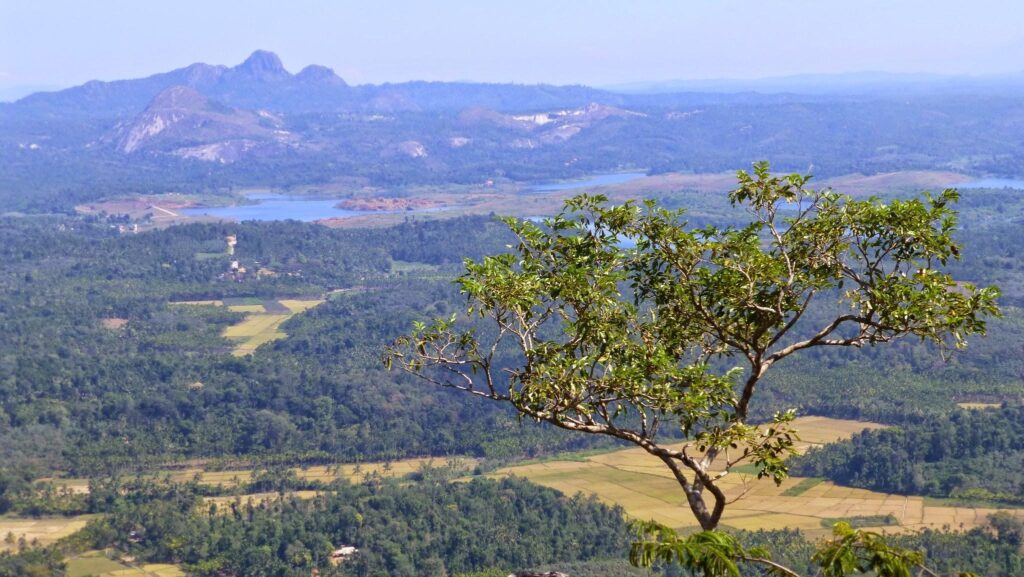
I grew up in Thrikkaipetta, a small village in Kerala, where sustainable community tourism
took root between 2008 and 2009 as an additional income for farmers, in response to the
agricultural crisis in Wayanad. Uravu, a bamboo craft NGO, formed a village committee and
launched the concept of a “Bamboo Village” to create alternative livelihoods. As commercial
tourism began emerging in Wayanad during this period, the committee consciously chose to
focus on community-based sustainable tourism.Kabani – the Other Direction, an NGO
specializing in this approach, partnered with the village to train families, build capacity, and
connect global travelers to locally run homestays. At the time, I was in the eighth grade,
unaware of how much this initiative would shape my perspective on the world. A few
families, including mine, opened their homes to visitors, welcoming strangers who soon
became part of our daily lives. Slowly, our quiet village started seeing a steady flow of
travelers, and when groups from France arrived, nearly 20 visitors would stay at a time. It
was a new experience for them, just as new for us.
By the time I reached the tenth grade, I stepped into the role of a storyteller. I found myself
guiding visitors through my village, narrating the tales of the Shiva Temple, the majestic
Manikkunnu Hills, the changing cultivation seasons, and the ancient tree that had stood
witness to generations. Each place and person had a story to be told. Through storytelling, I
explored my own village, the way I never had before. I became more attuned to our
traditions, cultural practices, and even the birds that frequented our fields. My village was no
longer just home—it was a tapestry of history waiting to be explored.
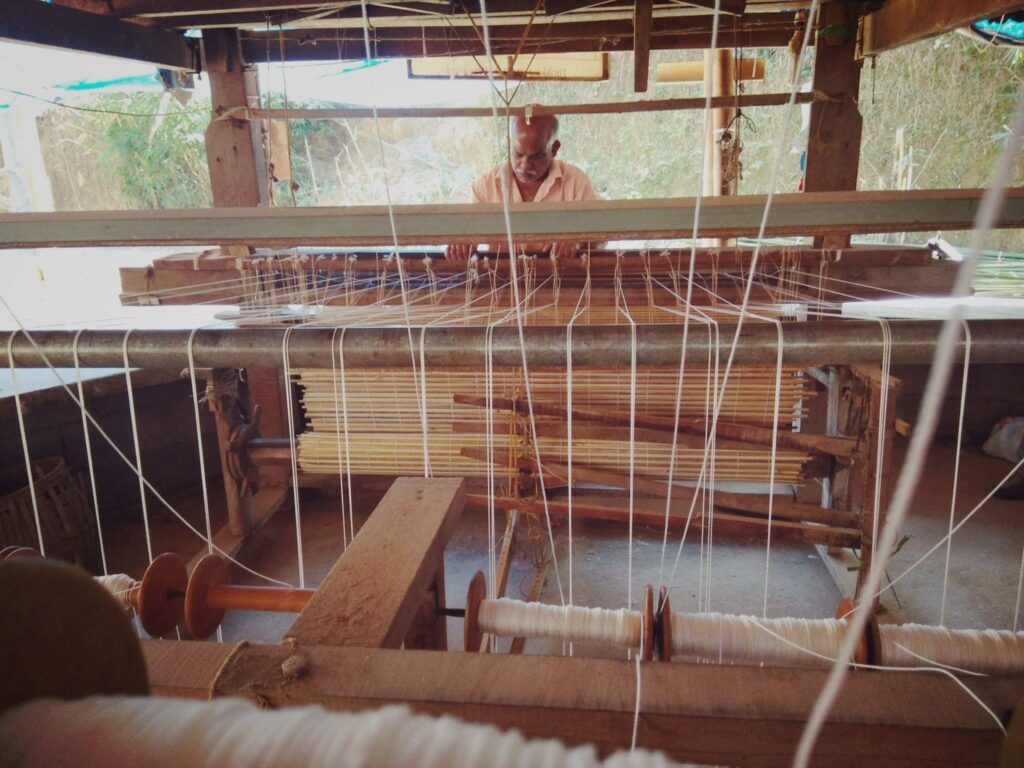
Thrikkaipetta had so much to offer, and I took immense pride in sharing it. There was
URAVU, a bamboo craft center, along with many women enterprising units such as
pickle-making unit, dry flower unit, anthurium flower cultivation, honeybee farming,
brick-making, and traditional basket weaving. I introduced guests to artisans who crafted
beautiful, intricate products. I encouraged them to buy it. Over time, I found myself
advocating for sustainable tourism—ensuring that tourism didn’t exploit our resources but
instead uplifted our local economy and empowered villagers.
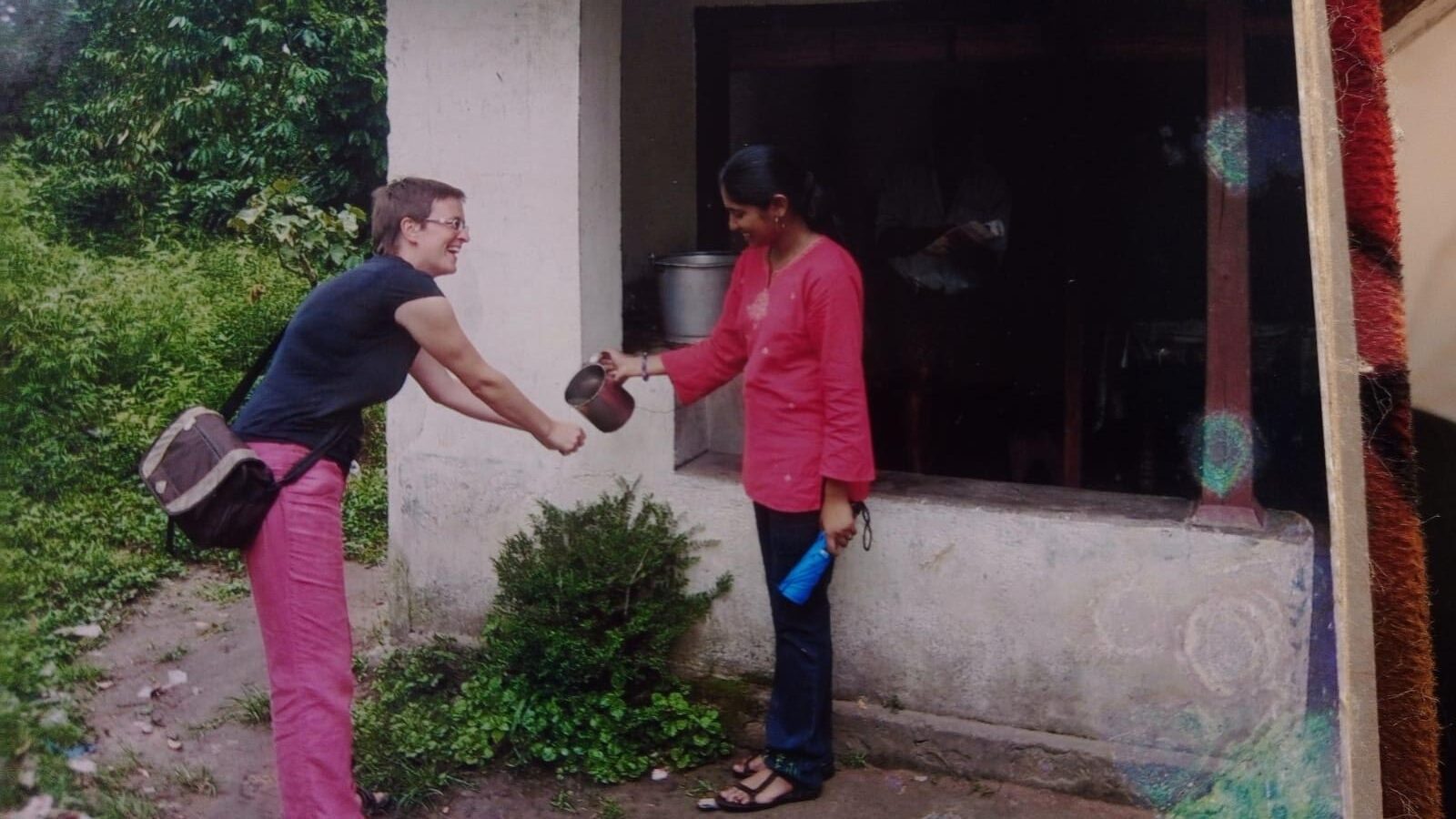
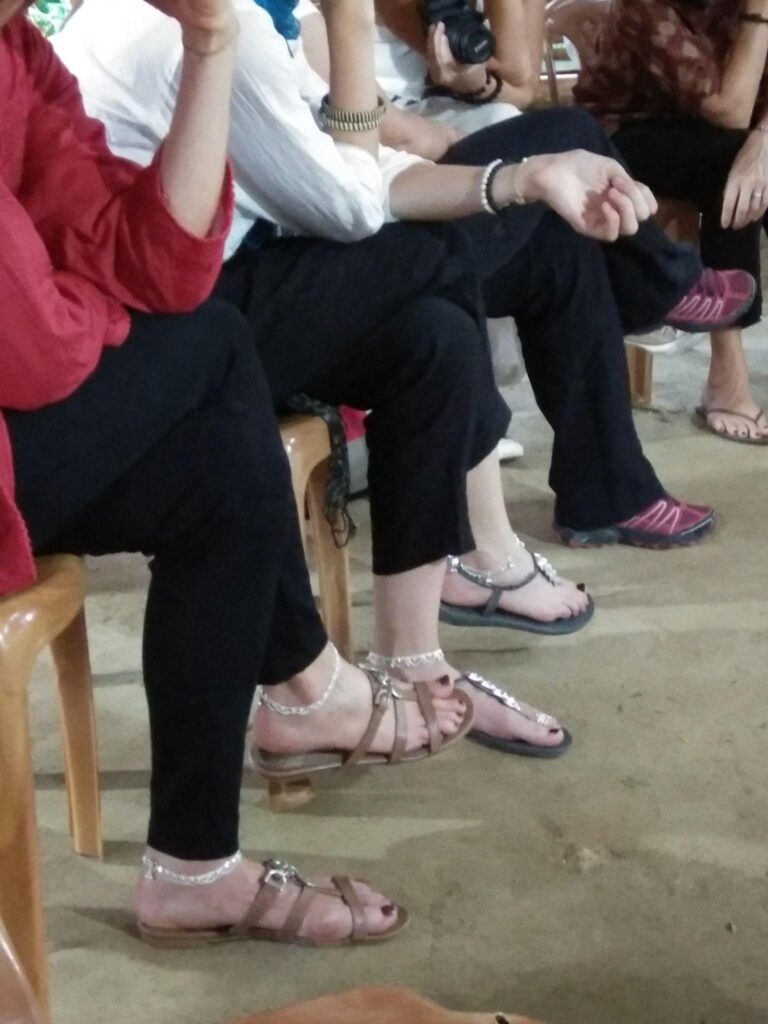
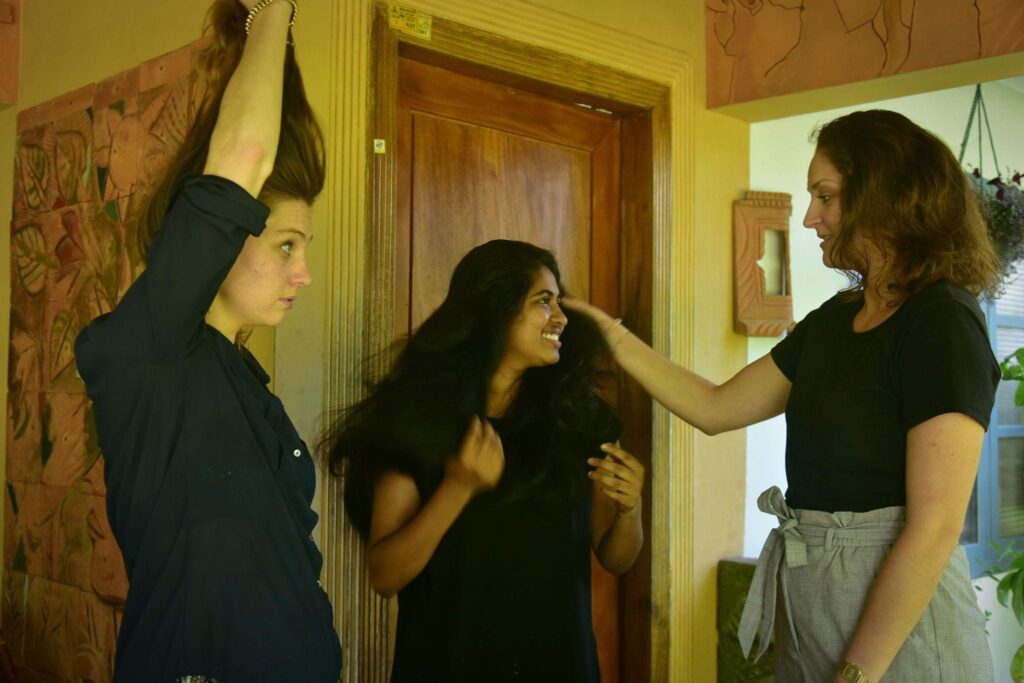
One particular moment stands out in my memory. A French guest, preparing for a village
walk, stepped out and hesitantly asked, “Anna, is this okay to wear?” She genuinely wanted
to respect our culture, and she wanted to wear something ‘culturally appropriate.’ Though
her outfit was different from what she was used to, she embraced the experience with an
open heart. That interaction made me realize the beauty of mindful travel—how stepping into
a new culture means being willing to adapt, respect, and immerse oneself completely.
Being part of responsible tourism also made me more conscious of our environment. From
the very beginning, we encouraged visitors to carry refillable water bottles and avoid plastic
use. I became aware of the delicate balance between welcoming guests and preserving the
authenticity of my village.
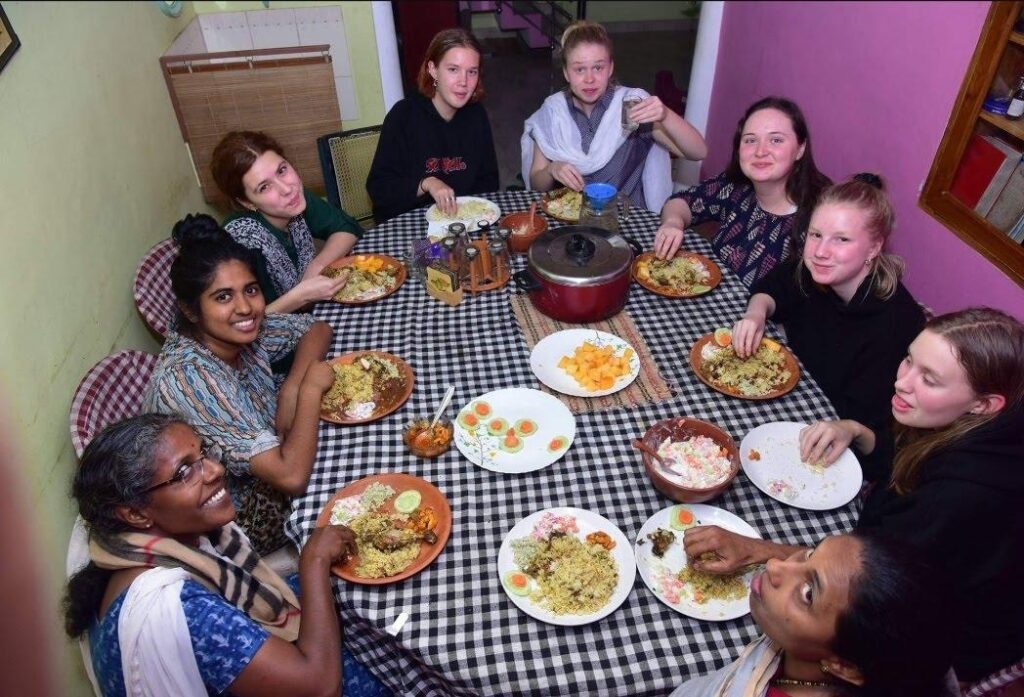
But the most transformative aspect of responsible tourism wasn’t just the environment or the
traditions—it was the people. Our dining table became a space for open, thought-provoking
conversations. Guests from all over the world shared their experiences, exposing me to
ideas I had never encountered before—gender roles, women’s empowerment, different
family structures, LGBTQ+ identities, and societal norms. As a child, I was amazed to see
independent women travelers navigating the world fearlessly. These conversations
challenged my perspectives and made me more open-minded and curious.
Looking back, my journey as a homestay provider, story teller was more than just a role—it
was a defining chapter of my life. It nurtured my ability to communicate, deepened my
cultural identity, and fueled my curiosity about the world beyond my village. It also reinforced
the idea that preserving one’s heritage is a shared responsibility, requiring both personal
connection and a willingness to engage with others.
Recently, while writing a description for our homestay, I penned these words: “An ideal stay if
you want to unwrap the packet of spices to discover the origin, growth, and process of
coffee, tea, cardamom, ginger, arecanut, and other spices—by touching, smelling, and
knowing them beyond the packet.” Now, living in Bengaluru, far from the organic produce,
lush greenery, and crisp air of my childhood, I realize how special those days were. What I
once took for granted was, in fact, the greatest privilege of all.The stories I told didn’t just
inform others; they shaped me. Today, whether in my professional life or everyday
interactions, I carry these lessons with me. My time as a guide wasn’t just about
storytelling—it was about self-discovery, connection, and a lifelong commitment to learning
and sharing. Growing up in a village immersed in responsible tourism didn’t just teach me
about my culture; it taught me about myself.
I first learned about the Asian University for Women through a friend my father had
connected with through tourism. That same year, I traveled to Mysore for my interview. At
the time, it was uncommon for young people in my community to move abroad for higher
studies.
The interview panel consisted of professors from foreign universities. For me, the interview
felt more like a conversation. I was at ease and in a favorable position, as I had already
spent considerable time interacting with foreigners. I spoke proudly about my village and the
various community projects, including tourism initiatives that had contributed to its
development. By the end of the interview, I was confident that I had secured my place at the
university.In 2013, I left my village for Bangladesh to pursue my bachelor’s degree.
Yet, no introduction of mine is complete without mentioning my community, the bamboo
village projects, and responsible tourism. These experiences have deeply shaped how I see
the world—through the lens of community, sustainability, and shared growth.
Today, I am a researcher at Involve, a purpose driven organization in the education sector
with a vision for the day where all children will have age-appropriate agency to thrive. As a
researcher, I carry this forward by ensuring my work isn’t about taking from communities but
about learning with them, being responsible, and giving back. My conversations, ideas, and
perspectives are always rooted in the “we” rather than just “I.” The art of collective action
defines my approach because I have witnessed firsthand how a village can come together to
build a model of community tourism—one that not only showcased our world to visitors but
also expanded ours beyond Thrikkaipetta.
Author : Anna Daniel
Anna is a researcher at Involve Learning Solutions an education focused NGO as well as
leads the campaigns wing of ThinkTrawell
email:campaigns@thinktrawell.com


